Advanced SimRacing ASR3 Review: Unboxing, Setup, and Why It's My Favorite Sim Rig Upgrade
By Romel Dris·Published ·5 min read·GearTechSim Racing
From the video archive
Adapted from my original video, published Mar 25, 2022. Watch original
If you’re deep into sim racing or just getting serious about your setup, finding the right rig can be a game changer. After months of use, I can confidently say the Advanced SimRacing ASR3 is easily one of the best investments I’ve made, not just in sim racing but in my entire desk and gaming setup.
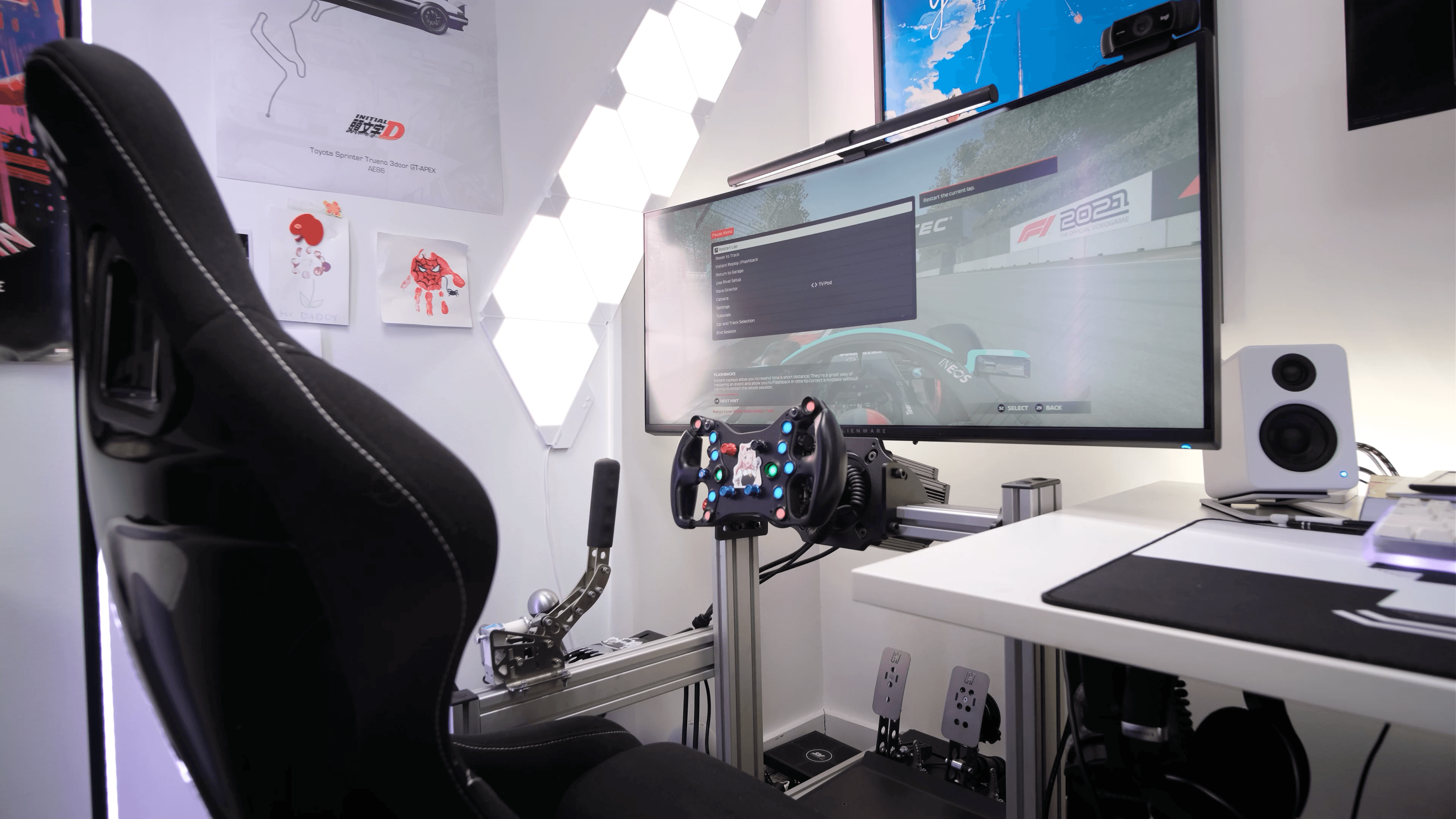

In this post, I’ll walk you through the unboxing, setup process, and my experience using the ASR3 rig. Whether you’re racing F1, drifting in Assetto Corsa, or grinding out iRacing licenses, this rig has made it easy for me to jump in and get driving without all the setup and teardown I used to deal with.
Why I Chose the ASR3 from Advanced SimRacing
Back in 2019, the options for sim racing rigs in Canada were pretty limited. You either had to order from Europe or the U.S., which meant high shipping costs and duties. Canadian alternatives existed, but most had high markups and didn’t offer much value.
Fast forward to last year, I came across Advanced SimRacing, a Canadian company based in Quebec. They offer full aluminum profile rigs, free shipping in Canada and the U.S., and even ship to Europe now. Their lineup includes the: ASR1, ASR3, ASR4, ASR6
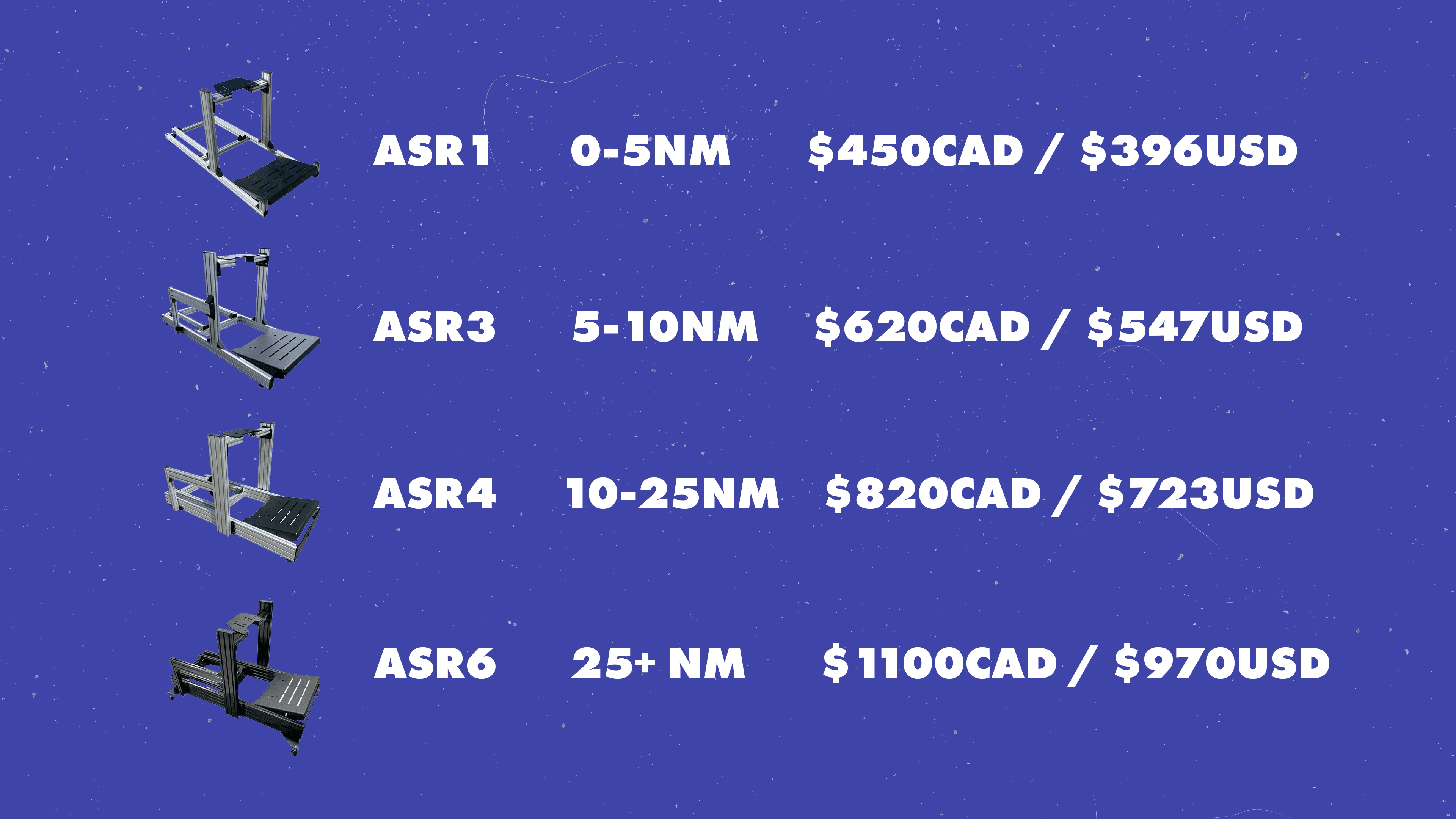

These rigs range from $450 to $1100 CAD, making them a solid mid-range to premium option for any sim racer.
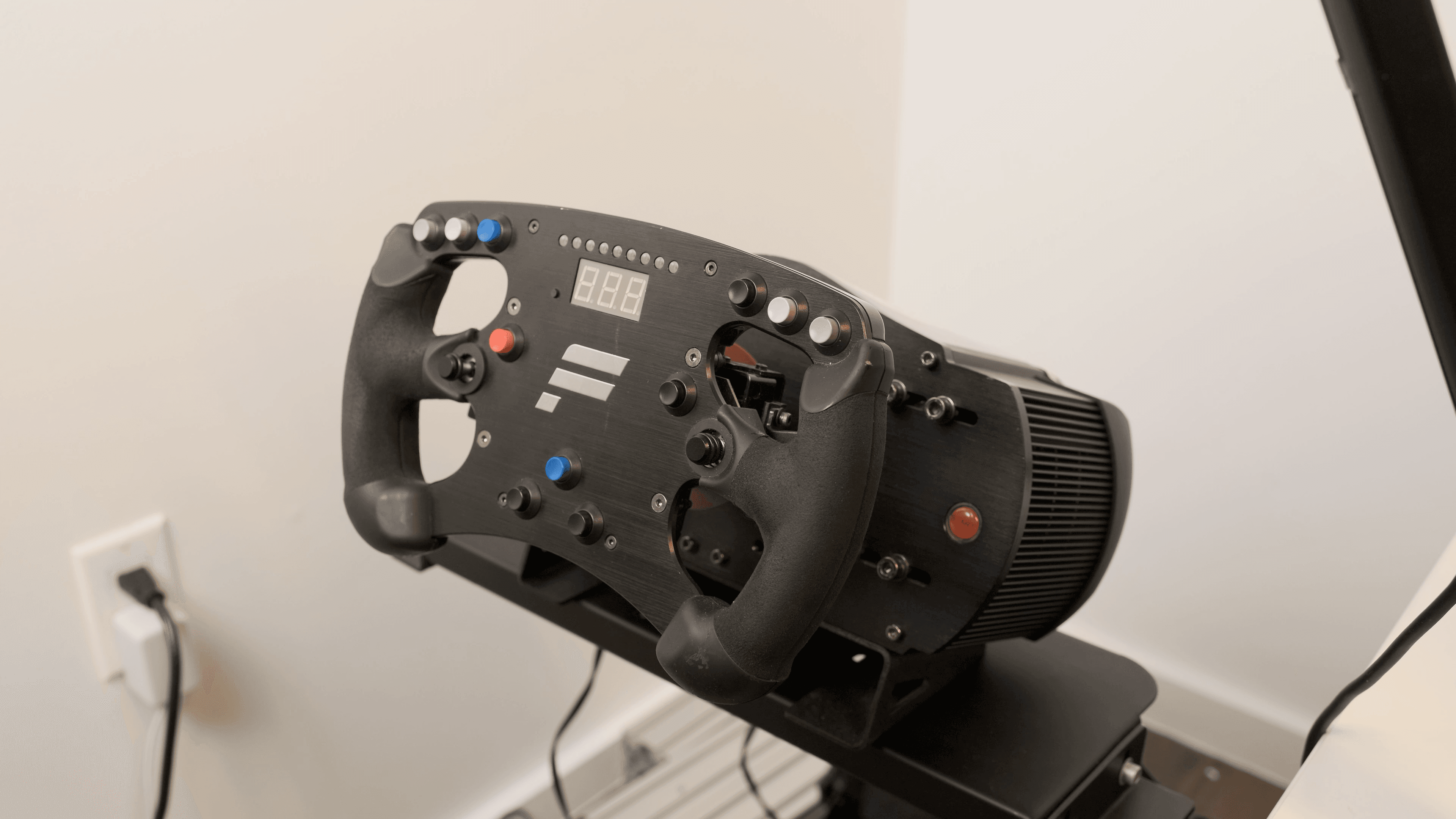
I went with the ASR 3 since I was running a Fanatec CSW 1.0 at the time and wasn’t planning on upgrading right away. It offered the right balance of rigidity, modularity, and price. Ironically, I ended up upgrading to a 20Nm wheelbase, but I still only run it at 8Nm and the ASR3 handles it like a champ.

Shipping and Unboxing
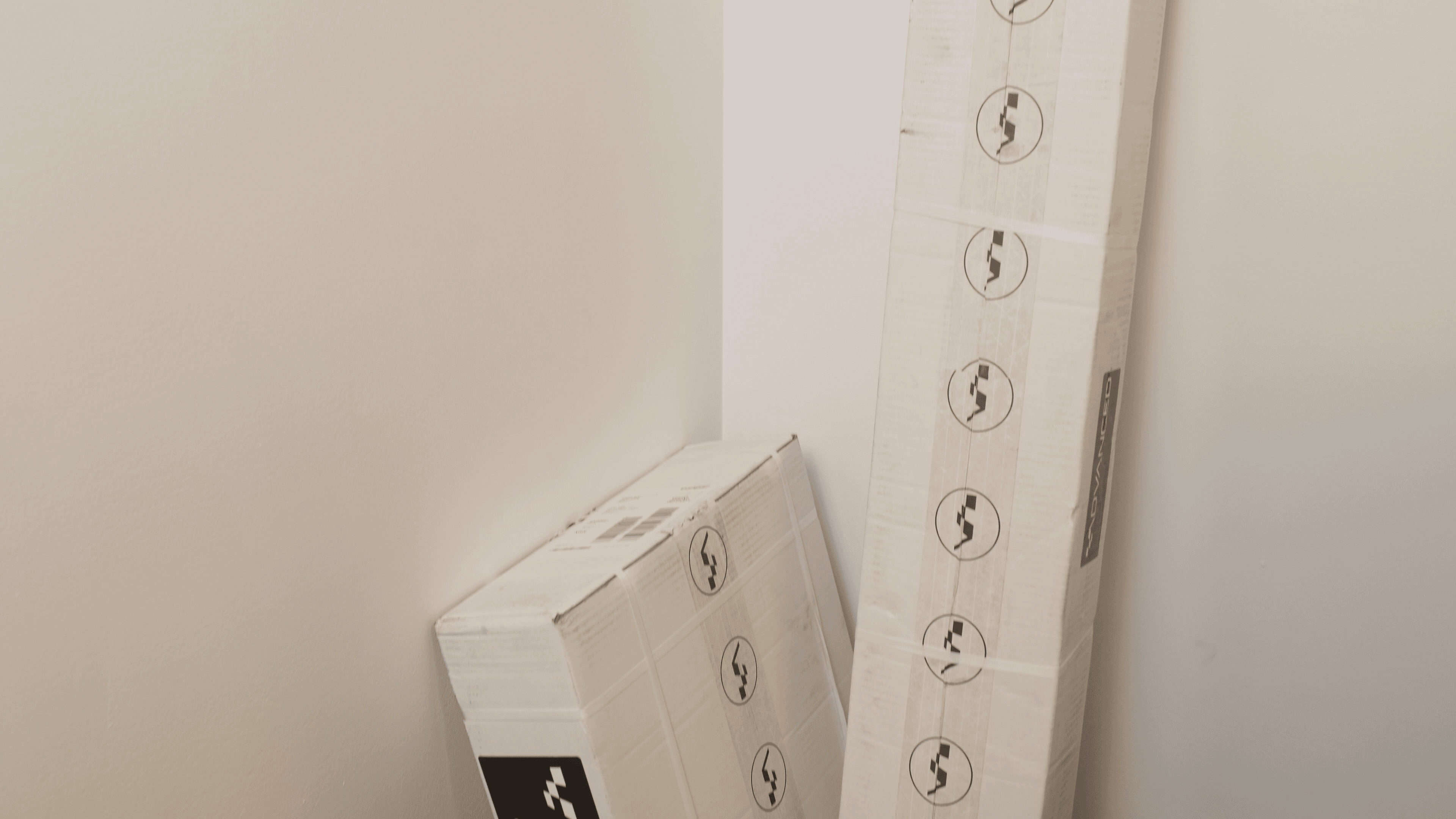
Shipping from Quebec to Vancouver took about 10 days. My ASR3 arrived in three boxes, two for the rig and one for the seat. Pro tip: don’t forget to open the seat box it had the remaining rig parts and hardware inside. I almost emailed support thinking I was missing half the shipment.

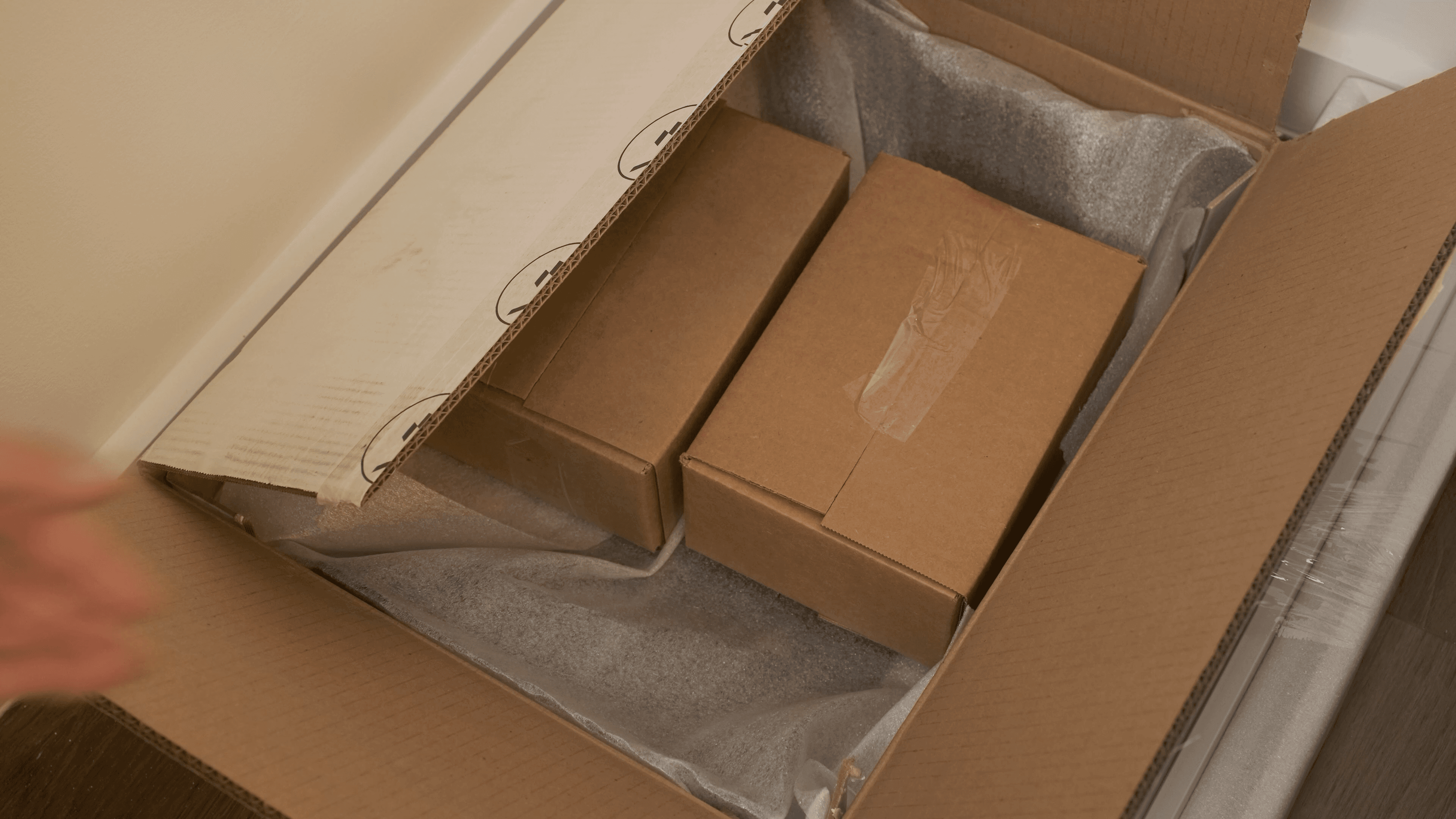

What’s in the Box
- Aluminum profile pieces
- Hardware and gussets
- Pedal plate
- Shifter arm
- Wheel deck or front mount (depending on your order)
- Seat (optional)
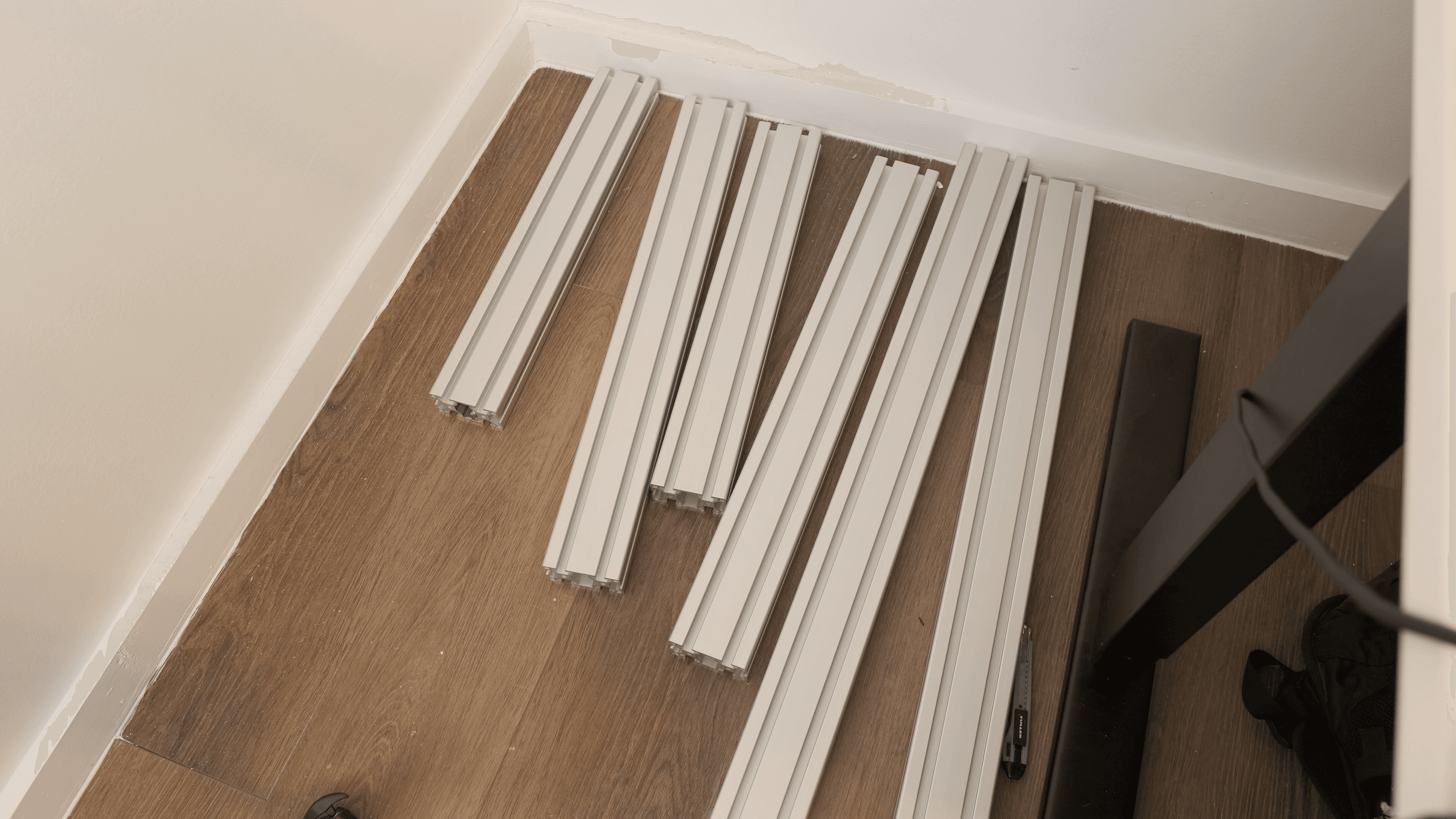

ASR3 Setup and Build Quality
Assembly was straightforward, even for someone like me who isn’t great at building furniture. The T-nuts and gussets were intuitive to use, and once everything was locked in, it felt really solid. At the time, Advanced SimRacing didn’t have dedicated ASR3 instructions, but their ASR1 YouTube build guide helped fill in the blanks. They now have proper ASR3 instructions available.
The rigidity is excellent with no flex on the wheelbase or pedal plate, even when pushing closer to the 20Nm through the rig.
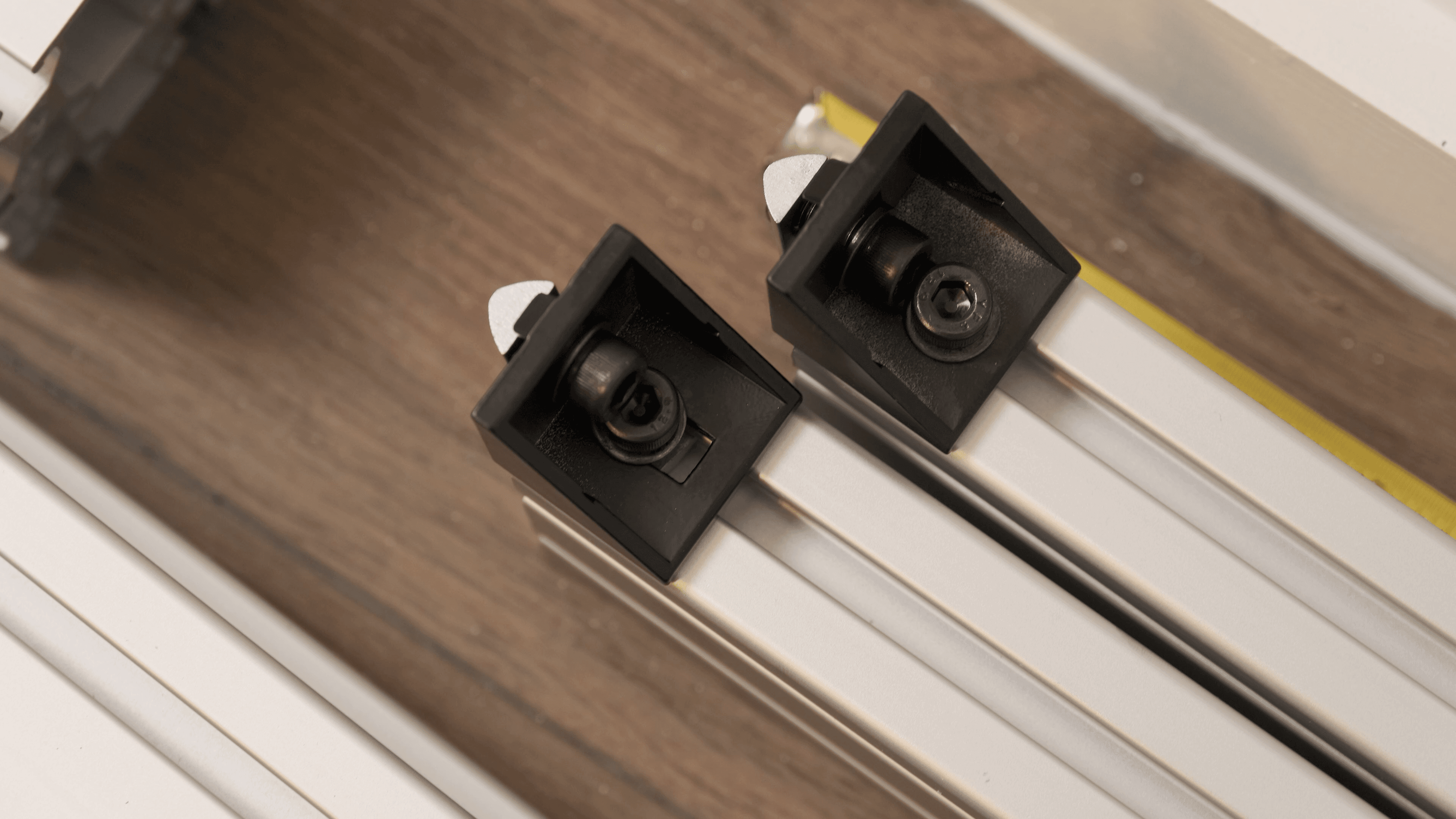

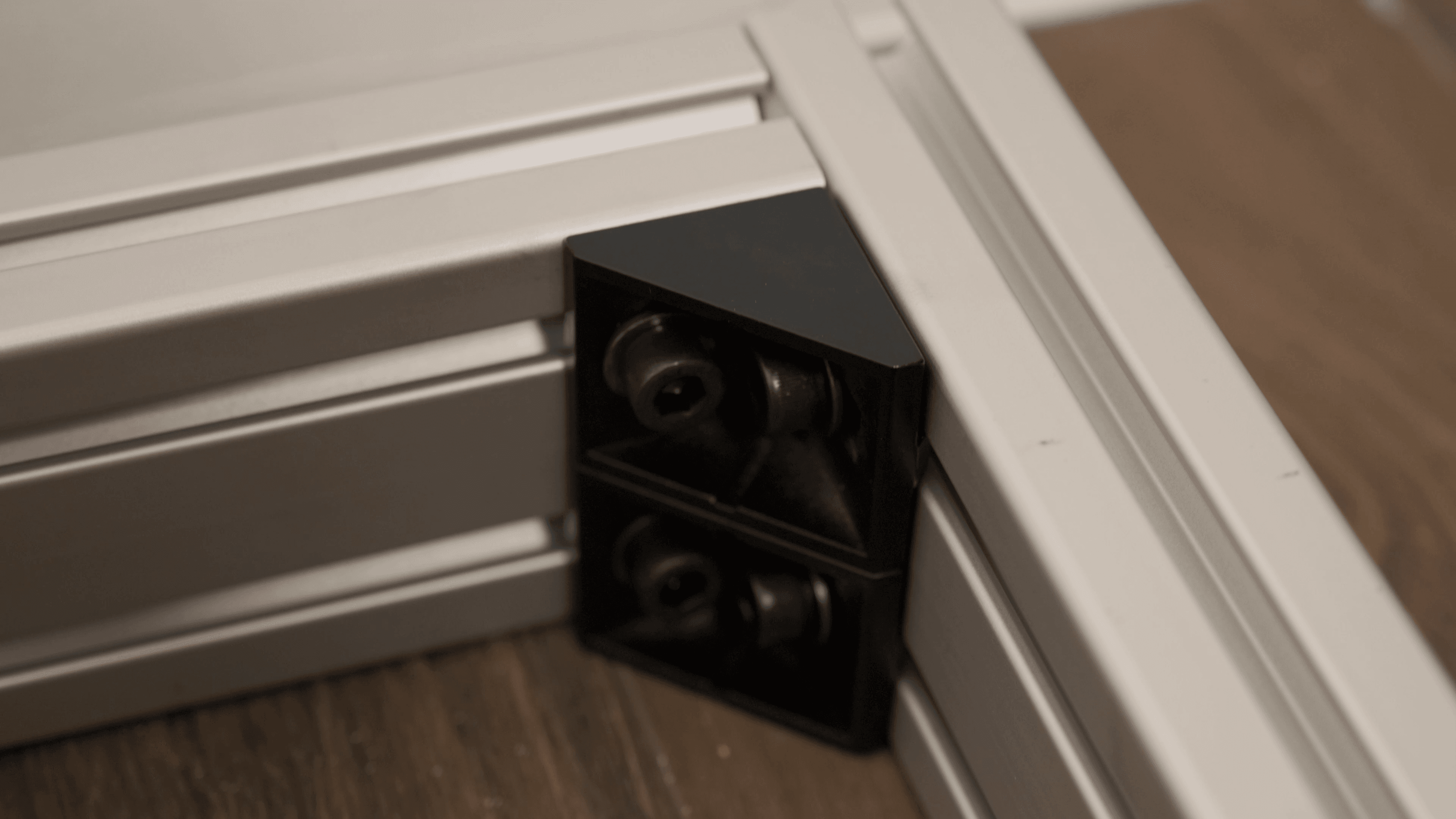

Seat and Mounting Options
I paired my rig with the Advanced SimRacing bucket seat (now discontinued), which has been great for both short and long sessions. Mounting the seat was honestly the hardest part. It’s a tight fit and a bit tricky to line up, but it worked out.
For the wheel mount, I started with the standard wheel deck (great for Fanatec CSW and bottom-mounted wheels) and later upgraded to the front mount for my direct drive setup. Both were easy to install and switch between.
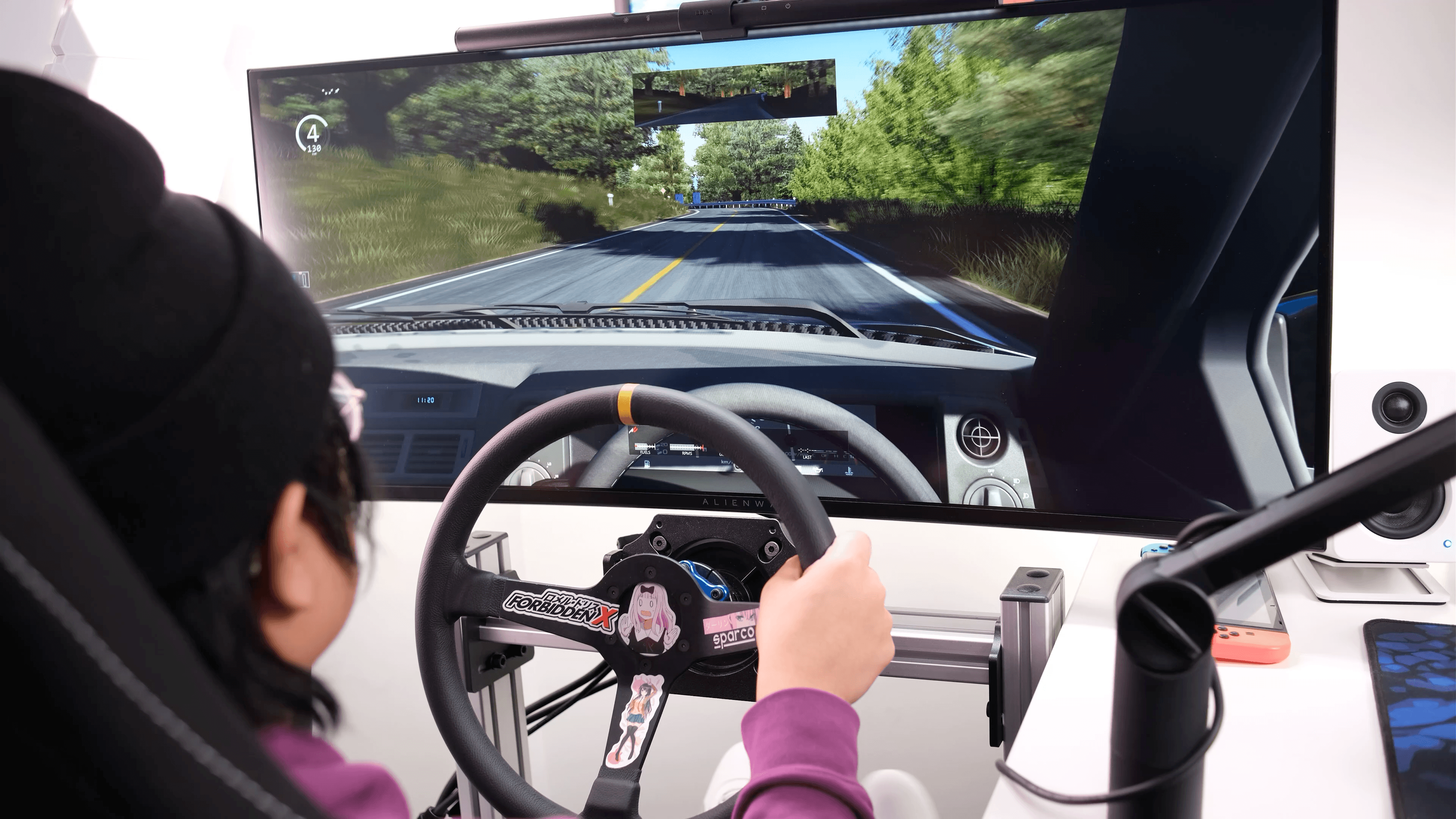

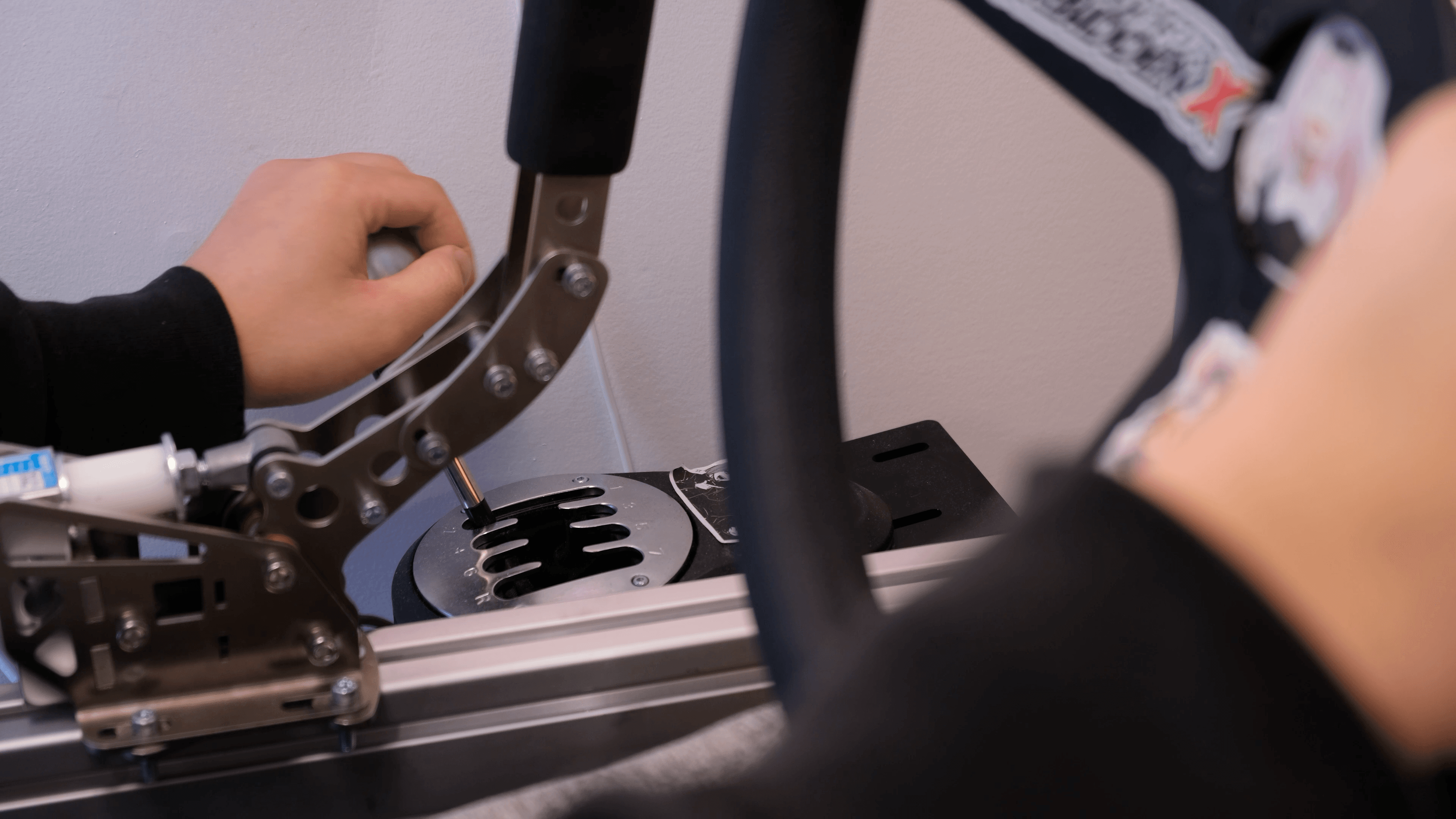
The shifter arm is sturdy, and I mounted mine on the left side since I mostly drive JDM cars in drifting sims like Assetto Corsa. It also made getting in and out of the rig easier.

Pedals and Adjustability
I’m using the standard steel pedal plate with my Heusinkveld Sprints, and previously with the Fanatec CSL Elites Both mounted without issue. I did end up buying the heel rest for more comfort with the Sprints, which I recommend including from the start.
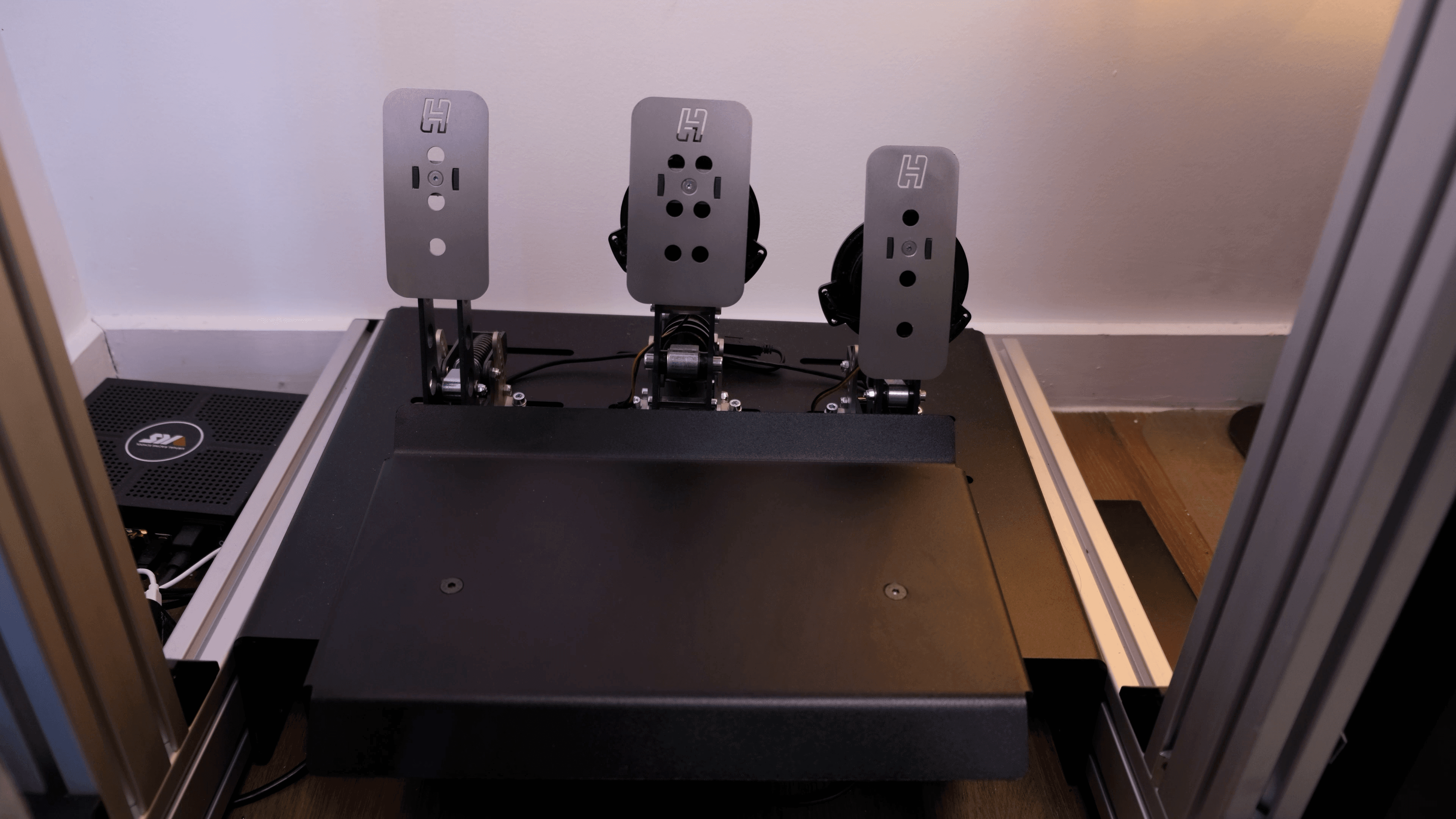

Adjustability includes:
- Wheelbase height and tilt
- Pedal tray position (closer or farther)
- Seat position (with or without rails)
If you're the only user, you can skip the rails and mount the seat directly.
On-Track Experience
Whether I’m turning laps in F1 2021, running iRacing, or practicing my drifts in Assetto Corsa, the ASR3 makes it easy to jump in without fuss. I just slide over my monitor, hop in, and go.
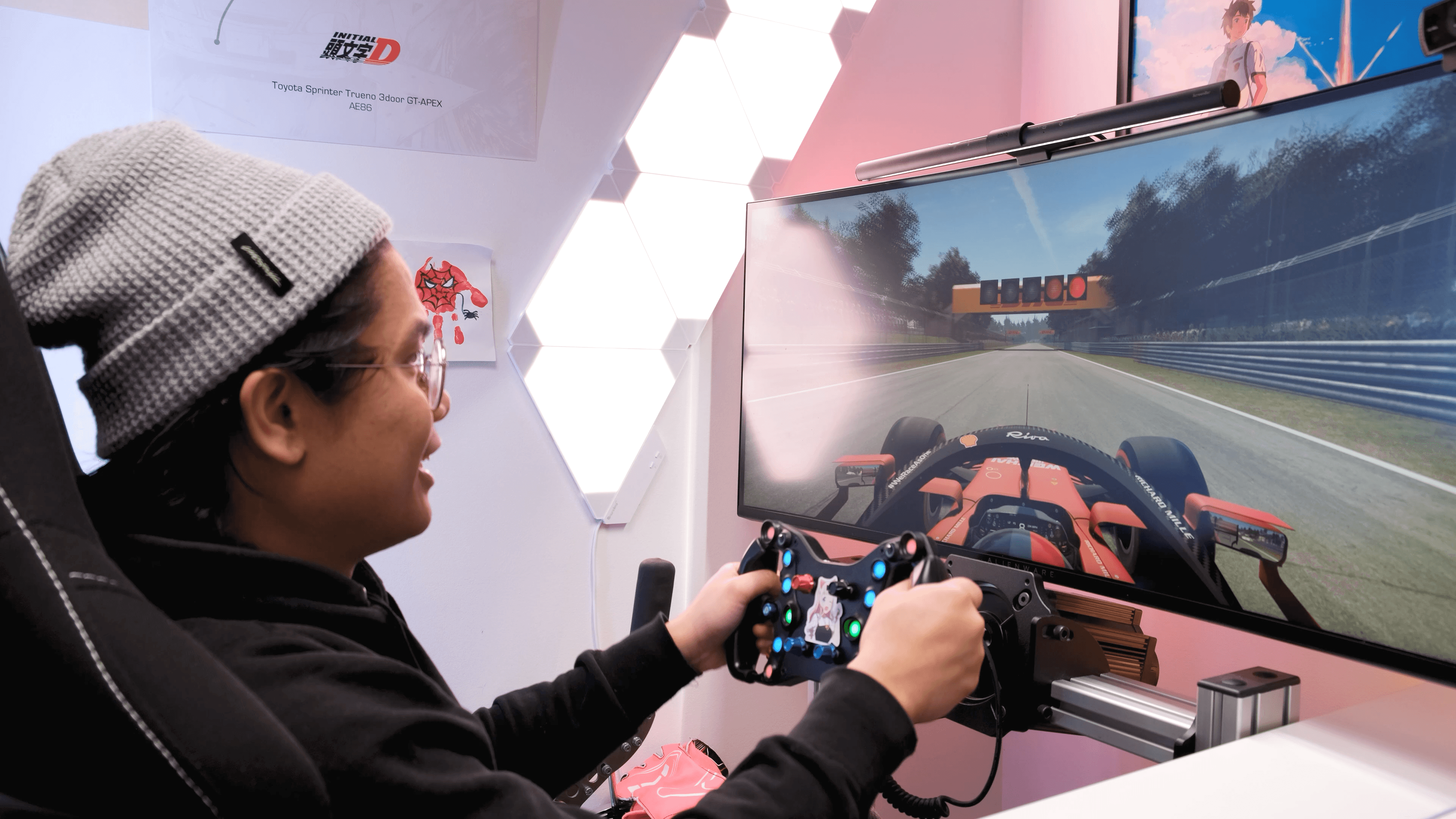

I run my wheelbase at 8Nm, and the rig shows no flex at all. I may bump it up to 10Nm soon, but the ASR3 feels like it could easily handle up to 15 or even 20Nm without issue.
Final Thoughts: Is the ASR3 Worth It?
Absolutely.
The Advanced SimRacing ASR3 is a fantastic rig if you’re looking for a rigid, well-built, and affordable sim racing cockpit, especially if you’re in Canada or the U.S. The build quality, adjustability, and support from a Canadian company make this a no-brainer for most sim racers.
Pros
- Rigid aluminum profile construction
- Supports DD wheelbases up to 20Nm
- Easy to assemble
- Lots of mounting options and adjustments
- Free shipping in Canada and the U.S.
Cons
- Seat mounting can be tricky
- Hardware can be hidden in unexpected places
- Add-ons like heel rest are worth it but not included by default
If you're looking to upgrade your sim racing setup, the ASR3 is an excellent choice.